 RapidDry RestorationWater Damage Restoration · Charleston, SC
Call for 24/7 water removal(925) 230-5137
Call for 24/7 Water Removal
RapidDry Restoration · Charleston, SC
Hardwood floors cup and buckle when they stay wet — careful drying, measured with meters, gives them the best chance of coming back.
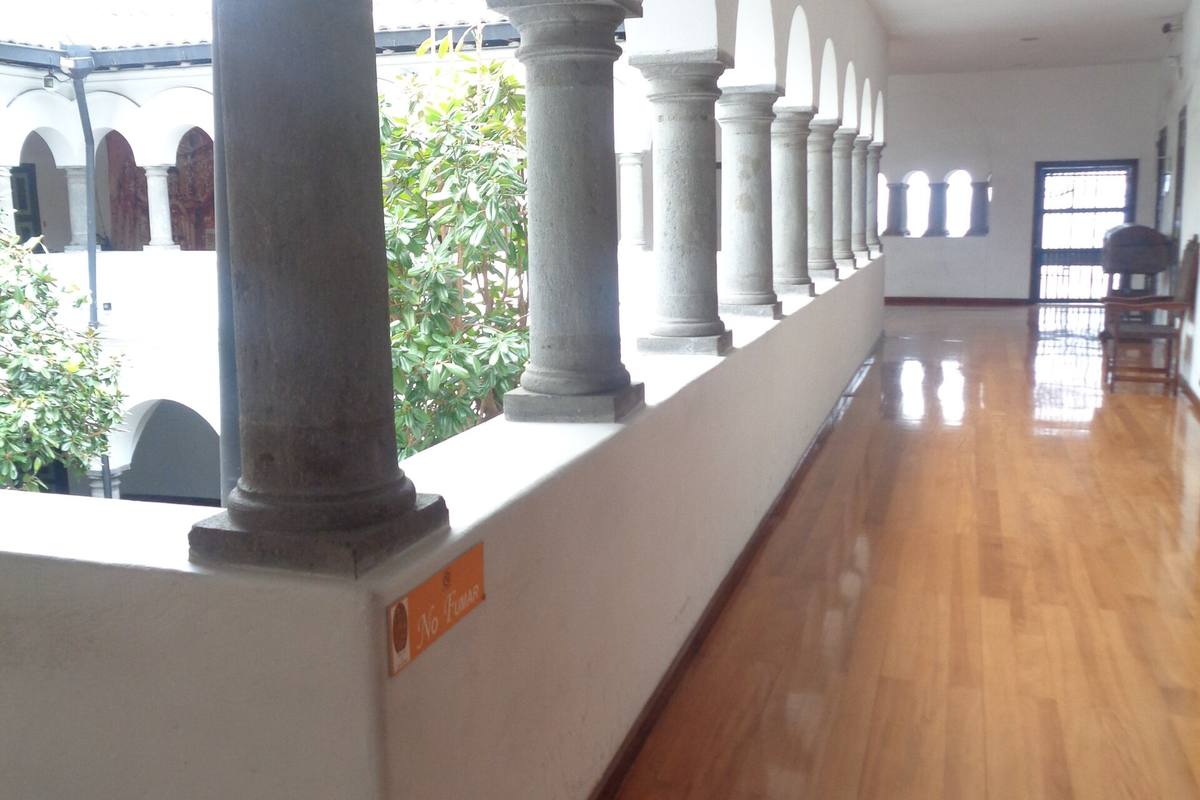
Hardwood floors are one of the first things water damages and one of the hardest to save. Wood absorbs water, swells, and the boards cup and buckle — and once the finish is damaged or the boards are badly warped, the floor has to be repaired or replaced. The best chance of saving it is fast extraction, then slow, measured drying.
Charleston's historic homes are full of heart-pine and hardwood floors that cannot be replicated — original boards in houses that are more than a century old. Drying them is careful work: moisture readings across the floor, drying equipment placed to pull moisture evenly, and patience, because drying a hardwood floor too fast can cause its own damage.
Fast extraction gives a hardwood floor its best chance — we connect you with a local provider.
Standing water is removed and moisture is mapped across the floor and the subfloor.
Drying equipment pulls moisture out at a controlled pace, checked with meter readings.
Once dry, the provider tells you plainly whether the floor will settle back or needs repair.
Call and we will connect you with a local water damage restoration provider in Charleston.
(925) 230-5137Call for 24/7 Water Removal
Downtown Charleston, Historic District, South of Broad, French Quarter, Ansonborough — and 33 more areas across Charleston, SC. See all areas →
Questions, Answered
Sometimes. If the water is removed quickly and the floor is dried slowly and evenly, cupping often settles as the wood dries. Boards that stayed wet for a long time, or that buckled badly, may need repair or replacement.
Longer than drywall — wood dries slowly, and rushing it can crack or warp the boards. The provider tracks moisture readings and tells you plainly what they show.
No. Sanding a wet floor locks in the cupping and damages the finish. The floor has to be dry first — and the provider will say when that is.
Standing water does not wait, and neither should you. Call now and we will connect you with a local water damage restoration provider in Charleston who can get the water out, dry the structure and tell you plainly what comes next.
Call for 24/7 Water Removal(925) 230-5137